
As Polymarket solidifies its position as the world’s leading prediction exchange, the most common question from new traders is: “Do I need to upload my ID just to place a bet?” Following the massive platform updates in late 2025 and the official launch of the regulated U.S. exchange, the answer depends entirely on where you live and how you access the market. This guide clears up the confusion around Know Your Customer (KYC) requirements on Polymarket for the 2026 trading season.
1. The Two Worlds of Polymarket
To understand KYC, you first need to identify which version of the platform you are using. In 2026, the ecosystem is split into two distinct paths:
- Polymarket International (DeFi): This is the original, non-custodial interface that operates on the Polygon blockchain. It is generally available to users in supported regions outside the U.S..
- Polymarket US (Regulated): Following the November 2025 CFTC breakthrough, this is a separate, regulated entity specifically for U.S. residents.
2. Do International Users Need KYC?
For the majority of global traders using Polymarket, the platform remains highly accessible with minimal friction:
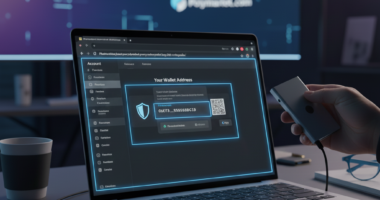
- Trading: You can generally sign up with just an email or a crypto wallet (like MetaMask) and begin trading without immediate identity verification.
- Thresholds: Verification is typically only triggered if your account hits specific “high-volume” thresholds or exhibits suspicious patterns that flag anti-money laundering (AML) filters.
- Withdrawals: Most users can withdraw their USDC.e directly to their own wallets without a KYC check, provided the account stays within standard retail limits.
3. The U.S. Requirement: Full Identity Verification
If you are a “Polymarket Bro” based in the United States using the new regulated app, the rules are different. To comply with federal law and CFTC regulations:
- Mandatory KYC: You must complete full identity verification before you can deposit a single dollar.
- What You’ll Need: Be prepared to provide your full name, date of birth, residential address, and your Social Security Number (SSN).
- Document Upload: You will likely need to provide a photo of a government-issued ID (Driver’s License or Passport).
4. Why “No KYC” Myths Can Be Dangerous
Many users search for “Polymarket withdrawal without KYC” hoping to stay anonymous. While the DeFi roots of the platform allow for more privacy than a bank, you should be aware of these 2026 realities:
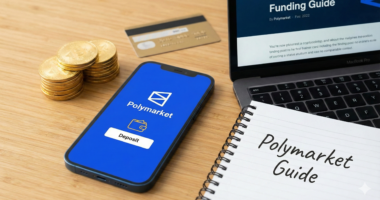
- Fiat On-Ramps: If you buy crypto directly on Polymarket using a credit card or bank transfer (via providers like MoonPay or Stripe), those providers will require KYC, even if the exchange itself hasn’t asked for it yet.
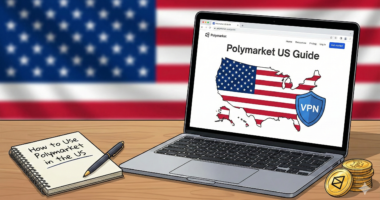
- The “December Freeze” Precedent: Following the late 2025 security alerts, accounts that appear to be using VPNs to bypass regional bans (like those in Ontario or France) are often hit with a mandatory KYC request before they can withdraw funds to prove they aren’t in a restricted zone.
5. Summary: Your KYC Checklist
| User Type | KYC Required? | Purpose |
| Global/Crypto-Native | No (Usually) | Low-to-mid volume trading and withdrawals. |
| U.S. Resident | Yes (Mandatory) | Legal compliance with the CFTC. |
| High-Volume Trader | Likely | To prevent money laundering and fraud. |
| Fiat/Card Buyer | Yes | Required by the payment processor. |
The Verdict
If you value privacy and live in a supported international region, Polymarket remains one of the most accessible financial tools in the world. However, as the platform moves toward global mainstream adoption, having your ID ready for high-volume activity is a smart “pro” move for any serious trader.