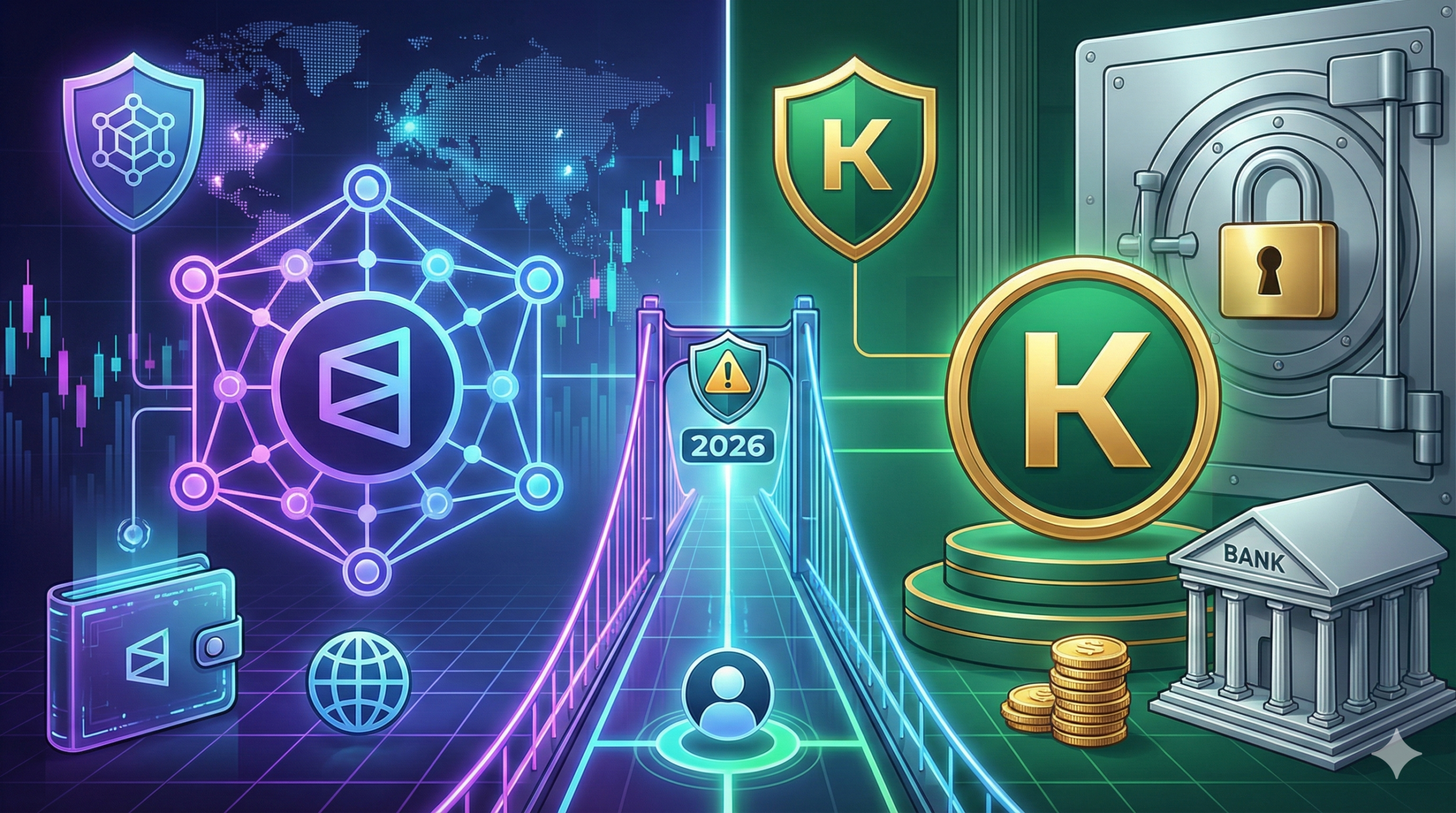

As we enter 2026, the prediction market landscape in the United States has reached a fever pitch. For the first time, traders have two fully regulated, multi-billion dollar options for event betting. While Polymarket is the global leader in volume and “hype,” Kalshi has long been the gold standard for regulatory compliance.
If you are a beginner looking to place your first trade, here is the nuanced breakdown of which platform is safer for your capital and your data.
The Regulatory Landscape (2026 Update)
The “safety” gap between these two platforms closed significantly in late 2025.
- Kalshi: Has always been a CFTC-regulated exchange.1 It operates as a “Designated Contract Market” (DCM), meaning it follows the same federal rules as the Chicago Mercantile Exchange (CME).2 It is the most “traditionally safe” option.
- Polymarket: Historically an offshore crypto platform, Polymarket officially became a regulated U.S. exchange in late 2025 following its acquisition of a CFTC-licensed firm. It is now oversight-compliant, though its crypto-native roots still offer a different risk profile.
Safety Factor 1: Fund Security (Fiat vs. Crypto)
Kalshi (The Bank Model):
Kalshi is essentially a bank for prediction markets. You deposit USD via ACH or wire transfer. Your funds are held in regulated U.S. bank accounts. If you lose your password, there is a standard recovery process.
- Beginner Safety: High. It feels like using Robinhood or E*TRADE.
Polymarket (The Hybrid Model):
Polymarket uses a non-custodial model. Even though you can use Google to log in, your funds sit on the Polygon blockchain.
- The Risk: As seen in the late December 2025 security alerts, “convenience” logins (Google/Email) can be vulnerable to third-party breaches.3
- Beginner Safety: Moderate. It is incredibly safe if you use a hardware wallet or MetaMask, but the “social login” route requires extra 2FA vigilance.
Safety Factor 2: Market Fairness and Liquidity
A “safe” market is one where you can get in and out of a position without losing money to “slippage.”
- Polymarket Advantage: Because it is global, Polymarket often has 10x the liquidity of Kalshi. For a beginner, this is actually a safety feature; it ensures that the “price” you see is the real market consensus, and you won’t get stuck in a trade.
- Kalshi Limitation: While Kalshi is growing, its markets (especially on pop culture or niche sports) can sometimes have wide “spreads,” meaning you might buy at $0.55 and find the best sell price is only $0.45.
Comparison Table for Beginners
| Feature | Kalshi | Polymarket |
| Regulation | CFTC (Since 2020) | CFTC (Regulated as of late 2025) |
| Funding | USD Bank Transfer | USDC (Crypto) or Direct Card Buy |
| Best Markets | Economic Data / Fed Rates | Politics / Sports / Pop Culture |
| Mobile App | Excellent / Native | Excellent / Web-App & Native |
| Privacy | Full KYC Required | Minimal (International) / Full KYC (US) |
| Recovery | Easy (Email/ID) | Complex (Seed Phrase/Magic Link) |
The Verdict: Which is better for you?
Choose Kalshi if:
- You are uncomfortable with the word “crypto.”
- You primarily want to trade on serious topics like Federal Reserve interest rates, inflation data, or weather events.
- You want the safety net of a traditional U.S. financial institution.
Choose Polymarket if:
- You want to trade on the Super Bowl, the Oscars, or the latest viral news.
- You want the best possible prices and the highest trading volume in the world.
- You are willing to spend 5 minutes learning how to secure a digital wallet for the sake of 2026-level financial sovereignty.
Final Pro-Tip for 2026
Regardless of which you choose, never “market buy” a large position. Always use Limit Orders on both platforms to ensure you are getting the price you actually want.
Ready to explore the most liquid markets in the world? Head over to the Polymarket homepage to see today’s top-trending events.